

How Stay-at-Home Moms Can Safeguard Kids and Finances During Divorce
For many stay-at-home moms, the first thought when divorce becomes a possibility is: “Will I get spousal support?” It feels like the safety net that will bridge the gap between the life you’ve built and the uncertainty of what comes next. But here’s the truth that few people say out loud – spousal support is not automatic, and when it is awarded, the numbers are usually far smaller than expected. Courts require proof of financial need, proof of your spouse’s ability to pay, and even then, the amount may only cover short-term expenses.
That reality can feel unsettling, but it also puts the power back in your hands. By shifting your focus toward protecting your children, securing assets, and preparing for financial independence, you can create a future that isn’t defined by what a judge decides.
This article walks you through the most important steps: understanding your rights as the primary caregiver, preparing for realistic financial outcomes, keeping your children safe and stable, and building independence after divorce. If you’ve ever wondered how to move forward without relying on promises that may never come, this guide is for you.
Understanding Your Legal Rights as a Stay-at-Home Mom
One of the strongest positions stay-at-home moms have during divorce is their role as the primary caregiver. Even if you didn’t contribute income to the household, the courts recognize that raising children and maintaining the home are contributions of equal value. What matters most in custody decisions is the stability and well-being of your children, not who brought home a paycheck.
How custody decisions are made
Family courts operate under the “best interests of the child” standard. Judges weigh factors such as:
- Who has been the child’s primary caregiver.
- Each parent’s ability to provide stability.
- The child’s emotional and developmental needs.
- Any history of abuse, neglect, or unsafe behavior.
For many stay-at-home moms, years of being present for school drop-offs, doctor appointments, homework help, and daily routines provide a powerful case for primary custody. Documenting these responsibilities is crucial. Keeping a caregiving log, collecting school records, and noting medical visits creates a clear picture of your involvement.
Possible custody outcomes
- Primary custody: Children live primarily with you, and your spouse has scheduled visitation.
- Shared custody: Parenting time is divided, often based on schedules and geography.
- Sole custody: Rare, usually reserved for cases where the other parent poses a risk to the child’s safety.
While custody can feel intimidating, remember this: the court is not trying to punish stay-at-home moms for not working outside the home. Your caregiving role holds significant weight. The key is to be prepared, stay organized, and consult with a family law attorney early.
Financial Protection: Safeguarding Your Future Stability
Money is often the most stressful part of divorce for stay-at-home moms. Years of supporting your family through caregiving may leave you without personal income, retirement savings, or even a credit history. It’s natural to assume spousal support will fill the gap – but the truth is, support is not guaranteed, and even when it is awarded, it’s usually modest.
The reality of spousal support
Courts place heavy burdens on the parent requesting support. To receive it, you must show:
- Financial need – proof that you cannot maintain basic living expenses without help.
- Earning gap – evidence that your spouse has a much greater earning capacity.
- Ability to pay – confirmation that your spouse can actually afford support on top of their own expenses.
Even with these burdens met, the numbers are often lower than expected. In many cases, spousal support is temporary – intended only to give you time to adjust or retrain for work. Depending on it long-term can leave you vulnerable. That’s why planning for independence is essential, even before the divorce is finalized.
The role of assets in your financial future
While support may be uncertain, marital assets can offer real stability. Courts divide property into two categories:
| Marital Assets | Separate Assets |
|---|---|
| Home purchased together | Property owned before marriage |
| Joint bank accounts | Inheritances or gifts |
| Retirement accounts contributed to during marriage | Personal injury settlements |
Document everything you can – bank accounts, property deeds, insurance policies, and even household valuables. These assets often matter more for your long-term security than any monthly support check.
Why planning matters
The sooner you begin planning, the better positioned you’ll be. Start with small but meaningful steps:
- Open a personal bank account in your name.
- Monitor household finances closely.
- Begin building a budget that reflects a one-income household.
This shift in mindset – from relying on support to building your own financial path – protects you from disappointment and gives you control over your future.
Protecting Your Children During Divorce
When divorce becomes a reality, children often feel the shock more deeply than parents realize. For stay-at-home moms, the instinct to shield them from pain is strong – and with careful planning, you can ease the transition while safeguarding their emotional stability.
Why stability matters
Research from the American Psychological Association shows that children cope better when routines stay consistent. Disruption – such as frequent moves or ongoing parental conflict – creates stress that can affect school performance and emotional health. As the parent who has been home day-to-day, you can often provide the consistency they need.
Parenting plans and custody structures
Courts typically require a parenting plan that spells out how children’s lives will be structured after divorce. This plan may include:
- Weekly living arrangements.
- School pick-up and drop-off schedules.
- Holidays and vacations.
- How medical and educational decisions will be made.
Having input into this plan gives you the chance to keep your children’s routines stable and minimize unnecessary disruption.
Co-parenting strategies that work
Even if the relationship with your spouse is strained, effective co-parenting is essential. Small steps make a big difference:
- Keep routines consistent across households (bedtimes, homework schedules, rules).
- Communicate through text or email if conversations become heated.
- Present a united front on important matters like school performance or discipline.
Pro Tips for Protecting Kids During Divorce:
- Never use children as messengers between parents.
- Avoid speaking negatively about your spouse in front of them.
- Reassure them often – children need to hear they are loved and not at fault.
By prioritizing stability and shielding children from adult conflict, you can help them adapt to a new family structure while still feeling safe and secure.
Building Financial Independence After Divorce
For many stay-at-home moms, one of the biggest fears in divorce is how to support yourself and your children without the income your spouse once provided. While the idea of entering or re-entering the workforce can feel overwhelming, financial independence is possible – and it starts with small, strategic steps.
Facing the reality of income gaps
A career gap doesn’t erase your value. Years spent raising children involve skills employers respect – time management, organization, multitasking, and problem-solving. Still, the job market can be competitive, and it’s realistic to expect a period of transition. Studies from the Bureau of Labor Statistics show that individuals re-entering the workforce after long absences typically need six to twelve months to find steady employment.
Practical steps toward independence
- Explore training or education programs – Many states and nonprofits offer scholarships, tuition waivers, or job retraining for parents re-entering the workforce. Even short certification programs can open doors.
- Start small with flexible work – Part-time jobs, freelance work, or remote opportunities allow you to balance parenting while building a resume.
- Create a budget that reflects your new reality – Include anticipated child support or spousal support (if awarded), but don’t rely solely on them. Focus on long-term sustainability.
- Rebuild credit and financial history – Open accounts in your name, pay bills consistently, and track spending to establish financial independence.
The mindset shift
It’s easy to feel discouraged when comparing your financial situation to your spouse’s. But independence is about security, not competition. Every step you take – whether it’s finishing a course, landing your first job, or sticking to a budget – builds momentum toward stability.
By creating a plan now, you reduce the pressure to depend on uncertain spousal support and instead gain confidence in your ability to provide for your children.
Emotional Support and Self-Care During Divorce
Divorce is not just a legal and financial process – it’s an emotional one. For stay-at-home moms, the shift can feel especially heavy because your daily identity has been tied to caring for your family. Now, you’re facing the task of rebuilding while carrying the emotional weight of your children’s well-being.
Why your emotional health matters
Children often take cues from their parents. If you are anxious, angry, or overwhelmed, they may internalize that stress. On the other hand, when you show resilience – even through small acts of self-care – they learn that difficult times can be managed with strength.
Support systems to lean on
- Counseling or therapy: A neutral space to process feelings and develop coping strategies.
- Support groups: Both in-person and online communities connect you with moms in similar situations, reminding you that you’re not alone.
- Trusted friends and family: Having even one or two reliable people you can confide in helps lighten the emotional load.
Self-care practices that make a difference
Self-care doesn’t have to mean spa days or long vacations. It can be as simple as:
- Taking a 20-minute walk to clear your mind.
- Journaling to release emotions and track progress.
- Setting aside quiet moments to breathe and reset.
Even small routines give structure to your days and create space for healing. Prioritizing your emotional well-being isn’t selfish – it directly benefits your children, because a supported, calmer parent is better able to guide them through the changes ahead.
Steps to Take Immediately if Divorce Is Likely
When divorce is on the horizon, preparation can make the difference between feeling powerless and taking control. For stay-at-home moms, being proactive ensures you’re not left scrambling once the process begins.
Secure financial and legal documents
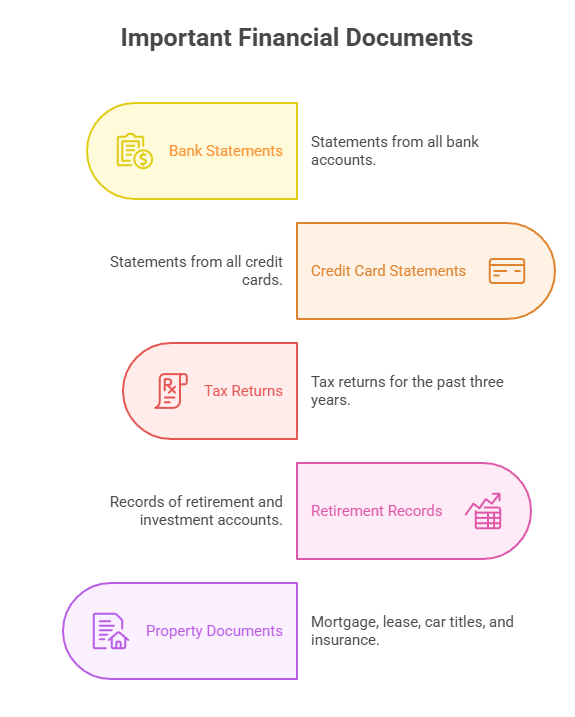
Start by gathering all the paperwork that outlines your family’s financial picture. This includes:
- Bank statements (checking, savings, joint, and personal accounts).
- Credit card statements.
- Tax returns for at least the past three years.
- Retirement and investment account records.
- Mortgage or lease agreements, car titles, and insurance policies.
Keep copies in a safe place where your spouse cannot restrict access.
Document your caregiving role
Courts often weigh who has been the primary caregiver. Create a log of your daily responsibilities, such as school drop-offs, homework help, medical appointments, and extracurricular involvement. These details can strengthen your position in custody discussions.
Protect your access to money
If you don’t already have one, open a bank account in your own name. Begin setting aside funds if possible, even small amounts, so you have money for essentials during the transition.
Consult a family law attorney early
Even if you’re not ready to file, a consultation helps you understand your rights and create a plan. Many attorneys offer initial meetings at reduced or no cost. Knowing what to expect reduces anxiety and helps you avoid costly mistakes.
Plan for immediate needs
Think about short-term necessities: housing, transportation, child care, and health insurance. Having an emergency plan in place gives you peace of mind if things move quickly.
FAQs about Divorce for Stay-at-Home Moms
Will I automatically get custody of my children because I was the stay-at-home parent?
Not automatically. Courts base custody on the best interests of the child, but your role as the primary caregiver carries significant weight. Documenting your caregiving history strengthens your position.
How long does spousal support usually last?
It depends on your state’s laws and your circumstances. In many cases, support is temporary – lasting only until you can gain financial independence. Courts look at the length of the marriage, your earning potential, and your spouse’s ability to pay.
Can I stay in the family home after divorce?
Sometimes, especially if it provides stability for your children. Whether you can remain in the home depends on how property is divided, whether you can afford the expenses, and what agreements are made during settlement.
What if my spouse handled all the money and I don’t know our financial situation?
You still have rights to marital assets. Start by gathering any documents you can access – bank statements, tax returns, property deeds – and share them with your attorney. Courts can require your spouse to provide full financial disclosure.
Do I have to go back to work immediately after divorce?
Not always. If you are awarded spousal support or child support, you may have some time to transition. But because support is often modest, creating a plan for employment or training as soon as possible is wise.
How do courts calculate child support?
Child support is usually based on state guidelines that consider each parent’s income, the number of children, and custody arrangements. It is meant to cover necessities like housing, food, clothing, and education-related costs.
What should I do if my spouse threatens to take the kids during the divorce process?
Do not panic. Courts discourage one parent from making unilateral decisions. If you feel your children’s safety is at risk, contact your attorney immediately. Temporary custody orders can be put in place for protection.
Can I move to another city or state with my children after divorce?
Relocation rules vary by state. In most cases, you need either court approval or written agreement from your ex-spouse, especially if the move affects custody and visitation schedules.
Moving Forward with Confidence
Divorce as a stay-at-home mom is never easy, but you are not without power. By understanding your rights, preparing financially, protecting your children, and caring for yourself, you create a future defined not by uncertainty but by stability and strength.
If you are facing divorce and need guidance tailored to your situation, reach out to Brandi Wolfe Law. Our team understands the unique challenges stay-at-home moms face, and we’re here to help you protect your kids and secure your future.
📞 Call us today at (210) 571-0400 to schedule a consultation.